
Home › Guides › What is mindfulness
Mindfulness · the basics
What is mindfulness? A simple guide for everyday life
Mindfulness is the practice of noticing what is happening, in your body, in your mind and around you, as it happens and without judging it. It is simple to say and surprisingly hard to do while life is loud. This guide explains it in plain words and gives you a first exercise you can try today.
Every plan starts with a 30-day free trial. Cancel in the first 30 days and you pay nothing.
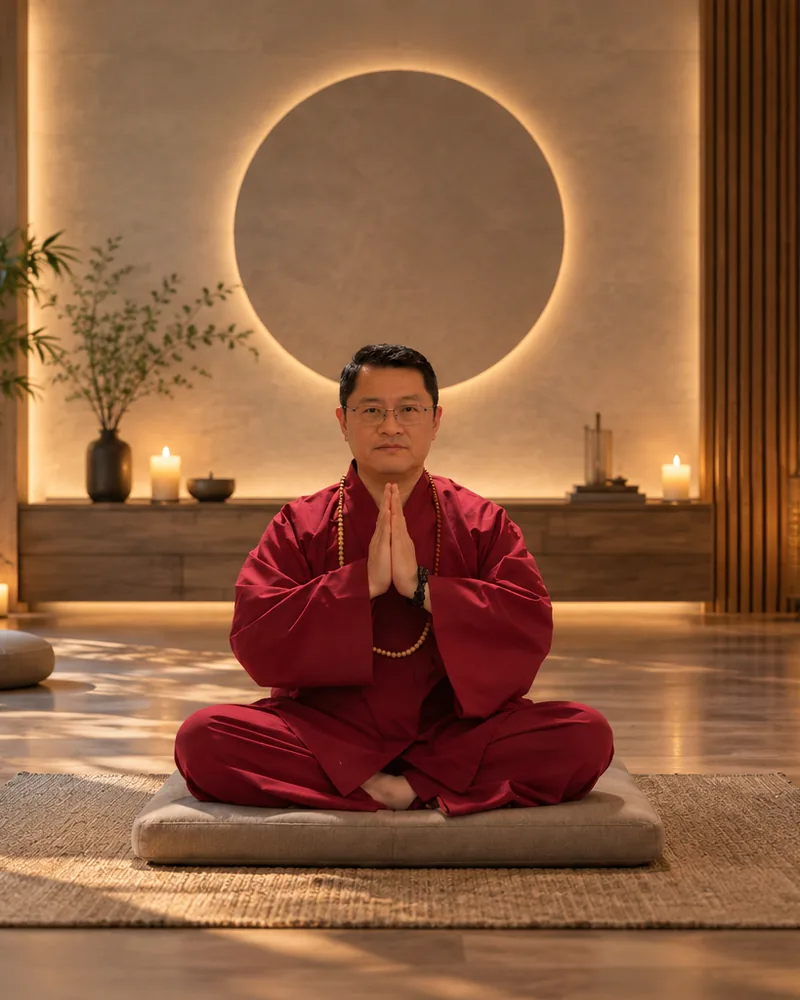
Mindfulness in plain words
Most of the day the mind is somewhere else: replaying yesterday, planning tomorrow, arguing with someone who is not there. Mindfulness is the habit of coming back to what is actually here. You feel your feet on the floor, you hear the room, you notice a thought as a thought. Nothing needs to be fixed. You simply see more clearly what is going on.
What mindfulness is, and what it is not
It is not emptying the mind
Thoughts keep coming. Mindfulness is noticing them without being carried off by every one.
It is not a religion
You do not need any belief. It is a practice you can test for yourself.
It is not a quick fix
A few calm minutes can help right away, and the real change comes from small, regular practice.
It is not only for calm people
It is most useful on the days when you feel stressed, tired or restless.
Two ways to practise
| Attention-based mindfulness | Resting in awareness | |
|---|---|---|
| What you do | Hold your attention on the breath, the body or a sound | Let go and notice the awareness that already sees it all |
| When the mind wanders | Gently bring it back | Notice that you are still fine, and rest again |
| It can feel like | Training a skill | Coming home |
The word mindfulness comes from the Pali sati, to remember. Restful Awareness takes remembering to mean recognising the stillness that was never lost. Both ways help many people, and you can start with either.
A first exercise: three minutes
- Sit or stand comfortably. Let your shoulders drop.
- Feel your feet and the weight of your body for a few breaths.
- Breathe out a little longer than you breathe in. Do this five times.
- When a thought arrives, say silently “thinking” and return to the breath.
- Before you stop, look around the room and notice three things you can see.
What people use it for
- Stress
- Sleep
- Anxious thoughts
- Focus
- Anger
- Overthinking
Many people find regular practice helps them feel calmer and more present. Mindfulness supports well-being. It is a lived practice with a long tradition behind it, not a clinical treatment.
“Awareness is like the sun: it shines on everything, without effort and without direction.”Restful Awareness
Questions people ask
What is mindfulness in simple terms?
It is paying attention to the present moment, on purpose and without judging it, so you see your thoughts and feelings more clearly instead of being pulled along by them.
Is mindfulness the same as meditation?
Mindfulness is the quality of noticing. Meditation is a formal practice, such as sitting for a few minutes, that trains it. You can also be mindful while walking, eating or washing up.
How do I start with mindfulness?
Begin with three minutes a day: feel your feet, breathe out slowly and notice your thoughts without following them. A guided session in an app can lead the way.
How long should I practise each day?
Start with three to five minutes. Regular short practice usually helps more than a long session now and then.
More guides
Read more: mindfulness for anxiety · meditation for beginners · why Restful Awareness.