
Stress that never lets up
Too many demands, too little room to breathe. Seven mindful ways to take the pressure down.
Stress managementMeditation app · free for 30 days
Restful Awareness is a guided meditation and mindfulness app for people who are stressed, anxious, tired or simply full. Tap how you feel, press play, and let a calm voice show you how to put the weight down.
iPhone and Android. English, Danish, German, French, Spanish and Vietnamese. Free to try for 30 days.
Your birthright
Sit comfortably, put on headphones if you can, and press play. These are four beginner sessions from the Restful Awareness app. No sign-up needed.
Relaxing Mind & Body5 min
Release tension and find stillness
Letting Go Through Breathing10 min
Practice conscious release
Aware of Resting Hands5 min
Stabilize the monkey mind
Whole Body Breathing5 min
Awareness of body movement
A paradigm shift usually means moving from something old to something new. Here it is the opposite. It is not about learning something new or discovering something new. It is about returning to what we have forgotten in the busyness of life: ourselves, the presence we inherited from the day we were born.
“Peace and clarity are not something we must create or achieve. They are qualities we already carry.”Huan Minh Vuong
The word mindfulness covers three different things, and knowing which one you are practising changes everything. Restful Awareness leads you from the first to the third.
Hold your attention on an object, usually the breath. It starts with an intention and takes effort, and it builds calm and focus.
Recognise the awareness that is already here. The breath, the body and every sound are lit by it on their own, without force.
Rest as that awareness. There is nothing left to hold, recognise or do. This is the return to what you were born with.
Mindfulness in Restful Awareness is the heart of it: instead of holding the breath in the grip of your attention, you recognise the awareness that was shining all along, like the sun, and everything in front of you is lit without being forced. You can practise this in the Restful Awareness mindfulness app, with guided sessions, a soft bell through the day that asks “Did you remember?”, and breathing, body relaxation and sleep sessions.
Read the full explanation → Mindfulness without effort → The mindfulness app → Kabat-Zinn and Restful Awareness →

Holding your attention on the breath starts with an intention, and an intention brings tension. Restful Awareness points to something else: awareness, like the sun, shines on everything without being aimed. Recognise it, and the breath, the body and every sound are lit by themselves.
Your heart is racing and your thoughts will not stop. That is a stress reaction, and it passes. Give this one minute before you do anything else.
Want a voice to lead you? Open a short session in the app, or read the full calm down fast guide, the breathing exercises and the sleep meditation page for nights when the mind will not switch off.
Most of us arrive with one particular weight. Pick yours and go straight to the page that speaks to it.
Too many demands, too little room to breathe. Seven mindful ways to take the pressure down.
Stress managementSleep does not fix it and everything feels heavy. Gentle steps for burnout and mental exhaustion.
Burnout recoveryWhen worry runs the show, resting in awareness gives the thoughts less to hold on to.
Mindfulness for anxietyReplaying, planning, second-guessing. How to let the mental loop run out of fuel.
How to stop overthinkingHot feelings arrive fast. A six-step pause that keeps you from saying or doing what you will regret.
Anger and jealousyLying awake at 3 a.m. Body relaxation and sleep sessions that carry you down.
Sleep and relaxationCalm before the test, a clearer head while you study.
Mindfulness for studentsNo experience, no incense, no belief needed. Your first three minutes.
Meditation for beginnersHeart racing, hands unsteady, a knot in the stomach. A one-minute method that brings you back down to the ground.
Calm down now“The present is not a place to reach. It is what you already are.”Restful Awareness
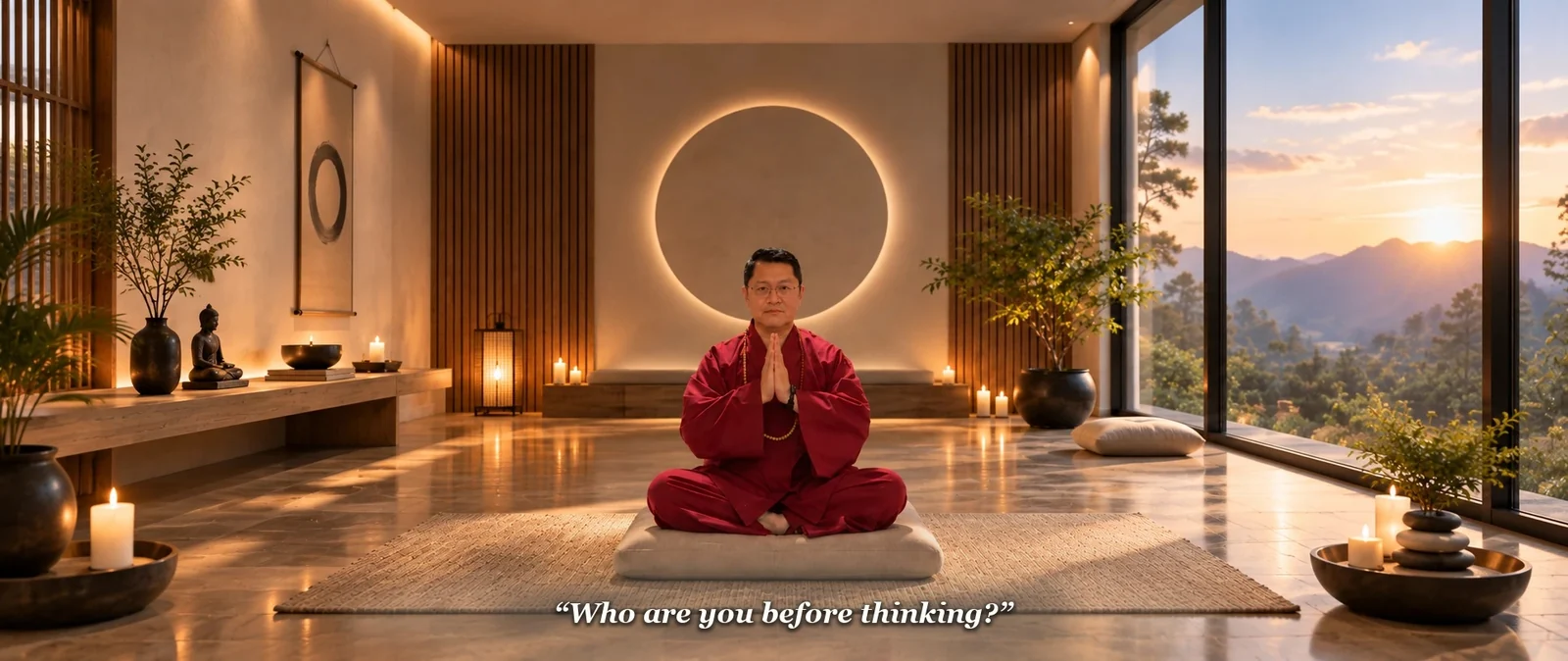
Look at a newborn. No story yet, no worry about tomorrow, no verdict on yesterday. Just a wakeful, quiet presence. That presence is not something you learn or earn. It is yours from the first day of life, which is why this approach calls it your birthright.
As life fills up, thoughts and feelings gather over that stillness the way dust gathers on a mirror. The mirror is still there. Most mindfulness training asks you to hold your attention on something, usually the breath. That helps, and when the mind is loud it can start to feel like one more task you are failing at.
Restful Awareness takes the next step. The word mindfulness comes from the Pali sati, to remember, and here to remember means to recognise. You do not force the mind to be quiet. You let go, and you notice the one who is aware of the breath, the sounds and every passing thought. Thoughts and feelings come and go in front of it like weather in front of a window, and the window is not touched. You can check this right now: something is aware of these words.
That is the whole shift: from concentrating to resting, from chasing calm to recognising what was never lost. Read the longer explanation in why Restful Awareness and what is mindfulness.
What we are looking for, we already have.
Think of it as a quiet room in your pocket that adjusts to the day you are having.
Tap stressed, anxious, angry, tired, can’t sleep or just wanting to relax. A guided session starts, made for how you feel.
Pick stress relief, better sleep, anxiety and calm, focus and clarity or emotional balance, or describe what you need. Choose 3 to 20 minutes.
Sessions for racing thoughts, overwhelm and brain fog, made with ADHD minds in mind.
Calm voice, soft bells, music and ambient sounds such as rain, ocean, birds or a fireplace.
A calm animated breathing guide for slow, steady breathing whenever you need it.
Talk or write with your inner companion about how you feel, by voice or text.
Kindness, compassion, openness and gratitude as natural expressions of awareness.
Soft bells sound through the day, a gentle reminder to remember that you are aware and to come back to the present within you.
The classic step-by-step meditation, leading you to face awareness directly and recognise the present within yourself.
| Most apps ask you to | Restful Awareness invites you to |
|---|---|
| Hold your attention on the breath or a sound | Let go and rest in awareness itself |
| Pick from a long library | Tap a mood, or describe what you need |
| Fix a wandering mind | Notice that the mind can wander and you are still fine |
| Practise to reach calm | Recognise the calm that is already there |
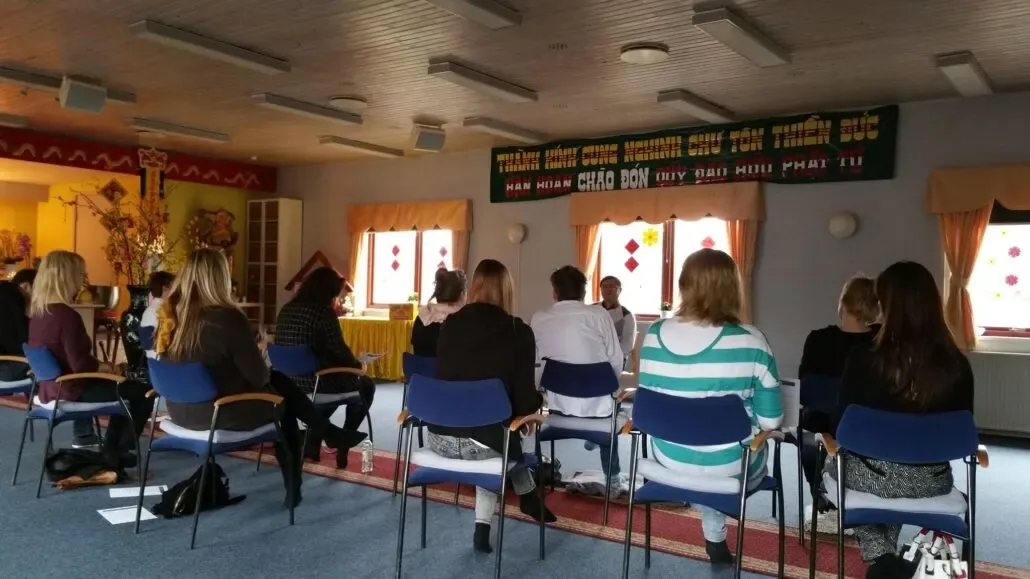
Stress does not ask what you do for a living, and neither does calm. A few quiet minutes can sit inside almost any day:
More situations, from offices to nursing homes, are on meditation for every walk of life.
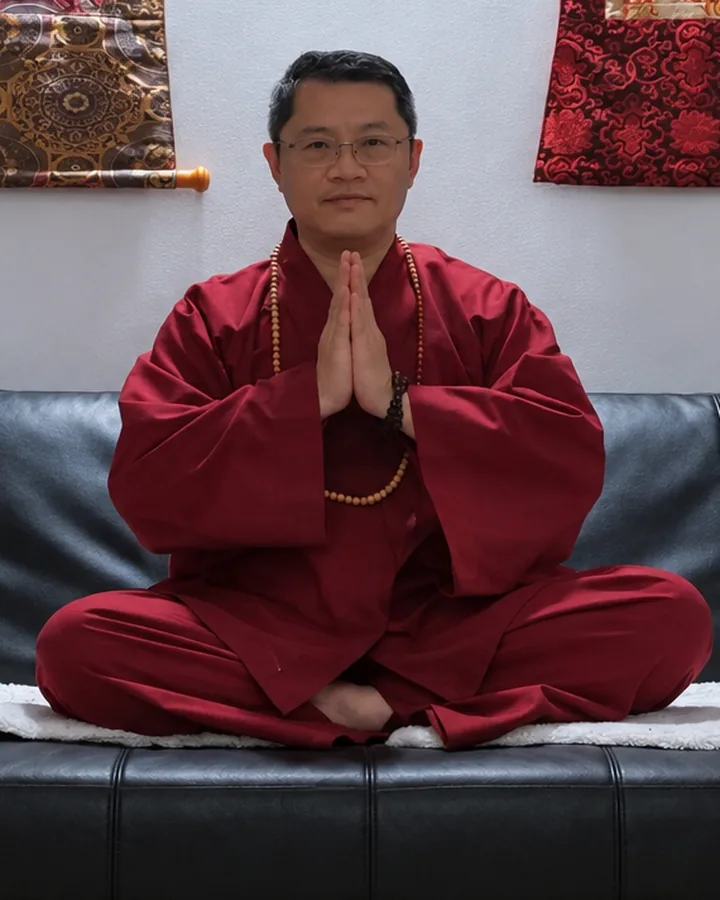
Restful Awareness was founded by Huan Minh Vuong, a dharma practitioner with more than 30 years of meditation practice.
He was trained in mindfulness and in Restful Awareness by several teachers, and shares what he has recognised for the benefit of everyone: less stress, anxiety and anger, more inner trust, and a calmer, more stable everyday life.
“The best meditation app I have ever used. Modern, intuitive design and, above all, incredible customization options that meet every user’s needs.” App Store review
Practical pages you can use today. Each one points to the matching page on the main website and to the free app.
Restful Awareness is a mindfulness app with guided mindfulness meditation for stress, anxiety and sleep. Tap your mood, press play. Free for 30 days.
Read the guideWhat is mindfulness in plain words? A simple guide to mindfulness meditation: what it is, two ways to practise and a first three-minute exercise.
Read the guideThe paradigm shift beyond mindfulness: not learning something new, but returning to awareness itself. See how mindfulness and Restful Awareness fit together.
Read the guideClassical mindfulness asks the mind to focus, and effort makes it push back. The sun and the keyhole show how resting in awareness works without force.
Read the guideFive simple mindfulness exercises for five minutes or less: mindful breathing, body scan, 5-4-3-2-1 grounding, mindful walking and resting in awareness.
Read the guideHow to meditate for beginners: five simple steps, what to do when your mind wanders, how long to sit and why a guided meditation helps. Free app for 30 days.
Read the guideWhat to look for in a mindfulness and meditation app, and how Restful Awareness starts from how you feel today. Guided sessions, free for 30 days.
Read the guideGuided sleep meditation and a simple bedtime routine for nights when your mind will not switch off. Body relaxation and soft sounds. Free for 30 days.
Read the guideHeart racing, thoughts loud? A one-minute mindfulness method to calm down right now, anywhere, with guided help in the app. Free for 30 days.
Read the guideA gentle guide to mindfulness for anxiety, fear and nervousness: why fighting the feeling backfires, and a three-minute way to let awareness hold it.
Read the guideStress relief that fits between meetings: three small mindful habits and a meditation app with sessions of 3 to 20 minutes. Try free for 30 days.
Read the guideAlways tired and flat? Gentle first steps for burnout and mental exhaustion, with mindful rest and breathing, and when to ask for professional help.
Read the guideAnger and jealousy are strong feelings. Learn a simple mindful pause that gives you space before you react, with support in the app. Free for 30 days.
Read the guideFour simple breathing exercises for anxiety, sleep and focus: longer out-breath, box breathing, 4-7-8 and belly breathing. With an animated guide in the app.
Read the guideMany mindfulness methods ask you to concentrate harder. Restful Awareness rests in awareness itself. Read the idea behind the app and how it differs.
Read the guideMonthly, yearly or lifetime: see the plans. The app is free to try for 30 days; a subscription starts the moment you pay.
Read the guideHow short mindfulness and meditation sessions fit offices, care work, schools, homes and kindergartens. Ideas for adults who want calm with children.
Read the guideA mindfulness and meditation app that meets you where you are: tap your mood and a guided session begins. AI sessions, sleep, breathing. Free for 30 days.
Read the guideThoughts looping at work or in bed at night? Why fighting them backfires, and a gentle three-minute way to let the loop run out. Free app for 30 days.
Read the guideHeart racing, breath short, fear rising? A calm step-by-step for the next few minutes: slow out-breath, feet on the floor, name it, let it pass.
Read the guideWide awake at 3 a.m. with worries growing? Why the night makes them louder, and a gentle way to rest even before sleep comes. Free for 30 days.
Read the guideThe best one is the one you will actually open every day: a calm voice, sessions that fit your day and help for your real problem. Restful Awareness offers all three, and you can try it free for 30 days.
Breathe in for four and out for six, five times, press your feet into the floor and name five things you can see. Most people feel a little calmer within two minutes.
Many people find short guided sessions help them feel calmer. A meditation app supports well-being and does not replace medical care. If anxiety is severe or lasts for weeks, please talk to a doctor.
A mindfulness and meditation practice and an app for iPhone and Android. Instead of holding your attention on an object, you let go and recognise the stillness that is already here.
Yes. The app is free to try for 30 days, with no payment needed. A subscription starts the moment you pay.
Adults can use the app together with children, for example music and nature sounds at nap time. It is not a children’s app, and an adult always leads.
No. Tap how you feel and press play. No belief is needed.
It is a lived practice with a long tradition behind it, not a clinical product, and it makes no medical claims. You can try it for yourself: the first 30 days are free.